Everyday Life with an Ostomy

A Troubleshooting Guide

What should a healthy stoma look like?
How should the skin around my stoma look?

- Free samples and shipping
- Hassle-free home delivery and reordering options
- Access to team of certified ostomy nurses
- Personalized product support from specialists who really care
- Real ostomates on staff
- Educational resources to empower you on your ostomy journey
8 Tips to Prevent Leaks
Hydration Tips & High Output Triggers
Learn more about Stealthbelt
$20 off COUPON CODE: doanything
Healing Hurting Skin
"Crusting"
The products required for "crusting" are listed below.
Information provided by Ostomy 101 is NOT medical advice. Consult a healthcare provider for all medical needs.2 items you needed for Crusting.
1. Stoma Powder
2. No-Sting Skin Barrier (available in a wipe or spray)
Many hospitals include these items in your take-home ostomy kit when you're discharged from the hospital. You may already have one or both of these items.
Stoma Powder and Skin Barrier spray or wipes are covered by most insurance. You can order these items directly from an ostomy product Supplier or contact one of the Pouch Manufacturers for a sample.
Take a free skin assessment quiz
Understanding Ostomy Skin Issues

Troubleshooting Leaks
Leaks with a Urostomy
Leaks & Troubleshooting (American College of Surgeons)
Leaks with an Ileostomy
Leaks with a Colostomy
Creating a Good Seal without Residue
Brava protective seal (flat) NEW!
Brava protective seal (Convex) NEW!

Prevent Leaks with soft convex CeraPlus skin barrier
Request a sample 1-888-808-7456
5 Tips for Preventing Leaks
Personalized support with Hollister Secure Start
Everyday Life with an Ostomy


Hydration Tips & High Output Triggers
Learn More About Hydration
5 Tips for Sleeping with an ostomy
Bathing with an Ostomy
Clothing Tips for Men
Clothing Tips for Women
Top 10 most-asked questions about living with an Ostomy
(b) Healing Hurting Skin - Crusting Technique

"Crusting" is a technique to heal hurting skin around the stoma.
This technique is demonstrated by WOC Nurse.
The products required for "crusting" are listed below.
Information provided by Ostomy 101 is NOT medical advice. Consult a healthcare provider for all medical needs.2 items you needed for Crusting.
1. Stoma Powder
2. No-Sting Skin Barrier (available in a wipe or spray)
Many hospitals include these items in your take-home ostomy kit when you're discharged from the hospital. You may already have one or both of these items.
Stoma Powder and Skin Barrier spray or wipes are covered by most insurance. You can order these items directly from an ostomy product Supplier or contact one of the Pouch Manufacturers for a sample.

At Better Health, we remove the barriers in healthcare and provide personalized support to patients like you. We provide:
● Tailored education
● 1:1 expert peer coaching
● Personalized product recommendations
● Free home delivery of supplies
1-844-564-0480
Click here for a complete list of essential ostomy products

Troubleshooting Leaks
Leaks with a Urostomy
Leaks with an Ileostomy
Leaks with a Colostomy
Ostomy Supply Basics

OSTOMY SUPPLY BASICS
There are many different types and sizes of ostomy bags and accessories. When it comes to ostomy bags and pouching systems, one size does not fit all. Your body and your stoma are unique. While you are in the hospital, you will be fitted with an ostomy bag that fits you and your stoma. Initially, you will be fitted with a clear ostomy pouch, which allows clinicians to monitor the health and function of your newly created stoma. Typically, you will be sent home from the hospital with 1-2 weeks’ worth of ostomy supplies. After you are discharged from the hospital, you can explore the multitude of ostomy bag sizes, types, and features. Most ostomy bag manufacturers will send 1 or 2 free samples upon request. Find manufacturer contacts and tips for ordering samples HERE.
Ostomy bags are prescription items but are not typically available at pharmacies, box stores, or medical supply stores. Ostomy supplies are delivered by mail discretely to your door by an ostomy supply company (provider). Most insurance companies cover at least a portion of the cost of ostomy supplies. Establishing a supplier that works with your insurance will ensure the lowest copay. Some insurance companies consider ostomy supplies as “DME” (durable medical equipment) and may provide additional coverage.
Like medication, insurance companies limit the amount of ostomy bags they cover per month. The number of ostomy bags allowed per month is standardized and should be enough to last a month. If you are using more than the allowed number of ostomy bags, make an appointment with an ostomy nurse (WOCN: wound, ostomy continence nurse) to troubleshoot the problem. You can buy extra ostomy bags by paying out of pocket, but these are not covered by insurance and can be expensive.
Before you leave the hospital, you can ask for help establishing a Supplier for ostomy supplies. If this isn’t possible, you can find a Supplier contact information under Buy Ostomy Supplies. With your insurance card in hand, call the Supplier and ask if they work directly with your insurance. If you are discharged into the care of Home Health or a Skilled Nursing Facility, they will oversee securing your ostomy supplies only while you are under their care. You will need to establish a supplier when you are no longer under the care of Home Health or Skilled Nursing.
Click here to see a complete list of essential ostomy supplies
There is a difference between an ostomy Manufacturer and an ostomy Supplier. These terms are commonly confused and have quite different functions. Suppliers, also called Providers, warehouse, ship, and distribute ongoing ostomy supplies and work with your insurance. Manufacturers make ostomy-related items and can send you 1 or 2 samples. Manufacturers often send samples but are prohibited to send monthly supplies directly to consumers.
If you don't have insurance:
Low-cost ostomy supplies for the uninsured:
Ostomy211
Many Ostomy product manufacturers offer free or low-cost ostomy supplies for people who qualify.
Don't know where to begin?
Hollister, an ostomy supply manufacturer, offers a free service to help you connect with an Ostomy supply company that works with your insurance
1-888-808-7456
List of essential ostomy supplies
List of ostomy product suppliers
Managing Your Ostomy Supplies
Choosing Ostomy Products
Click the video below
Learn more about Better Health
How To Order Ostomy Supplies & Deal with Insurance
Travel with an ostomy


Visit Byram Healthcare for your ostomy supplies.
Ostomy Travel Tips
Ostomy surgeries can create major changes to how you live your life, but they shouldn’t restrict you from doing what you love. Regardless of whether you’ve had a colostomy, an ileostomy, or a urostomy, you can participate in anything you’re passionate about—including travel. While you might have to take extra precautions and more preparations for your trip, ostomies shouldn’t hold you back from exploring, visiting loved ones, or taking some time away from work to relax. When you have the right amount of ostomy supplies and allow for extra time to plan your trip, you can put anxiety aside and enjoy yourself. To help you get started, here are some of the best tips for traveling with an ostomy.
Preparing to Leave
The best way to make sure that you enjoy your trip is to be prepared. Taking the time to get everything organized and laid out will give you a stronger peace of mind when you’re traveling. This allows you to direct your attention to your surroundings rather than worry about your ostomy. Some of the best pre-trip preparations to make include the following:
Create a Packing List
Before you start packing, take the time to create a thorough list. Do this early so you have time to add to your list as you think of everything you’ll need. Make sure you include the essentials, such as ostomy bags and pouches, skin barriers and skin care products, ostomy paste, stoma powder, additional seals, barrier film wipes, adhesive remover, ostomy pouch cleaner, odor management products, ostomy scissors, ostomy belts, a small mirror, medications, gauze, sterile wipes, hand sanitizer, disposable bags, gloves, toilet paper, and hand wipes.
You’ll want to make sure you have the right amount of ostomy supplies for the duration of your trip, so consider what you use throughout a normal day and double it. It’s always better to be over prepared, especially if you’re going to another country.
Pack a Carry-On
Always pack a carry-on with ostomy supplies when you’re traveling by plane. While rare, checked luggage can get lost or delayed and if all your supplies are in your checked bags, you’ll find yourself in a difficult situation. We recommend packing at least half of your ostomy supplies in your carry-on and the other half in your checked luggage. Just make sure that you adhere to the 3-1-1 liquid rule, which indicates that you can bring a quart-sized clear bag with liquid items, gels, creams, and aerosols through security in your carry-on as long as each item is 3.4 ounces or less. Your ostomy scissors must be less than 4 inches to stay in your carry-on.
Pre-Cut Barriers
If your ostomy scissors are larger than 4 inches, or if you want to simplify changing your pouch while you’re traveling, consider pre-cutting all of your skin barriers ahead of time. This is only applicable to those who have cut-to-fit barriers. It isn’t absolutely necessary, but it will make pouching in difficult situations easier.
Purchase Travel Insurance
When taking a domestic trip, your traditional insurance should work throughout the U.S., but always double check with your provider just in case. If you’re traveling internationally, purchase separate travel insurance so you’re covered while you’re away.
Obtain a Travel Communication Card
An ostomy travel card from the United Ostomy Associations of America (UOAA) is a card that explains what your supplies are and why they’re essential for managing your ostomy. This is helpful when going through security and can reduce the chances of further screenings. Show your ostomy travel card to a member of TSA when you get in line to reduce problems and keep things discreet.
Always Have a Backup Plan
Packing more supplies than you need will allow you to be prepared, but make sure that you have a backup plan in case of an emergency. Get references for doctors in your destination, do research on how to find products locally, and make a plan so you know what to do in case an emergency occurs.
Consider making a doctor’s appointment before leaving if you’re worried about anything or if you have further questions. During this time, ask about referrals in different parts of the country. While it’s unlikely that you’ll need to see a doctor while traveling, it’s always comforting to know you have access to someone you can trust.
Travel Day: Caring for an Ostomy in Transit
When your big travel day has arrived, take some additional measures to ensure that you’re prepared, relaxed, and ready to start your journey. Some of the best things to do for a smooth travel day include the following:
Arrive Early
When you travel by plane, make sure that you give yourself enough time to get through security and change your pouch one last time before flying. It’s recommended that you arrive about two hours in advanced for domestic flights and three hours in advanced for international flights. If you want to expedite this process, consider getting TSA pre-check. With TSA pre-check, you don’t have to remove your shoes, laptops, liquids, belts, or jackets, thus shortening your wait time.
Avoid Irritating Foods and Drinks
In the days leading up to your trip, try to avoid irritating foods or drinks. Doing so will help you avoid any problems with your ostomy on your big day. Pack some foods or snacks that you can enjoy while traveling so you don’t have to rely on potentially troublesome fast food or airport restaurants.
Keep Your Carry-On Close
Double check to make sure your carry-on has everything you need and always keep it within reach. By having enough supplies with you at all times, you’ll feel more confident and be able to enjoy your day without worry.
Maintain Good Hygiene
Take extra precautions with hygiene while you’re traveling to avoid contamination or infection. Make sure that you wash your hands thoroughly when using public restrooms and consider bringing hand sanitizer to use after closing the stall door. You may also want to use antiseptic wipes to clean an area when changing your ostomy pouch or make sure that your bag can be hung up on the inside of the stall. Do whatever you can to maintain good hygiene throughout your trip.
Empty Your Pouch as Needed
Maintain your regular schedule for emptying your pouch. Even if you’re on an airplane or in the airport bathroom, you should always empty your pouch as needed. If you’re worried about spillage or overflow, empty your pouch more often than usual. While you know your body best, don’t be afraid to make adjustments to give you a stronger peace of mind while traveling.
Regardless of if you’re going to be flying or traveling by car, change your ostomy pouch right before you leave. This will give you the confidence to start your trip without constantly worrying about the contents of your pouch.
Ostomy Tips to Get the Most Out of Your Trip
Once you’ve arrived at your destination, you can start to settle into a more regular routine. You’ll likely know your plans for each day and will have a private room for you to keep all of your essentials. While traveling with an ostomy may present some challenges, you’ll still be able to participate in any activity you’re interested in. If you’re worried about engaging in certain behaviors, talk to your doctor to learn more on how to navigate these situations. Otherwise, practice these ostomy tips to get the most out of your trip.
Research Bathroom Locations
When you arrive at your destination, ask the concierge or local guide about bathroom locations. If you’re going to be staying at a resort, make sure that you know where all of the public bathrooms are in case you need to use one in an emergency. When going out of the hotel, do some research ahead of time so that you don’t have to worry about finding a bathroom while you’re out enjoying yourself.
Prepare for Water Activities
Having an ostomy does not prevent you from swimming and enjoying water activities, but you may want to take extra steps to feel comfortable and confident while doing so. Your pouching system is water resistant; just make sure your seal is secured and you empty your pouch before swimming. You can utilize barrier strips or ostomy belts as needed, especially if it makes you feel more comfortable.
Stay Hydrated and Adhere to Your Diet
While trying new foods is exciting, certain things may upset your digestive system. If you want to explore the local cuisine, that’s okay. Just make sure that you’re prepared for potentially irritating side effects. If you’d rather stay on the safe side, adhere to your regular diet and always drink plenty of water throughout the day.
During your trip, be prepared with an adequate amount of high-quality ostomy supplies from Byram Healthcare. Byram Healthcare is committed to doing our part to improve the lives of those living with ostomies through convenient product delivery and a diverse product catalog. We’re here to help you navigate life with an ostomy and get the most out of your travels.
Traveling with an Ostomy-Travel Tips


Ostomy Travel Tips from Byram Healthcare
Ostomy surgeries can create major changes to how you live your life, but they shouldn’t restrict you from doing what you love. Regardless of whether you’ve had a colostomy, an ileostomy, or a urostomy, you can participate in anything you’re passionate about—including travel. While you might have to take extra precautions and more preparations for your trip, ostomies shouldn’t hold you back from exploring, visiting loved ones, or taking some time away from work to relax. When you have the right amount of ostomy supplies and allow for extra time to plan your trip, you can put anxiety aside and enjoy yourself. To help you get started, here are some of the best tips for traveling with an ostomy.
Preparing to Leave
The best way to make sure that you enjoy your trip is to be prepared. Taking the time to get everything organized and laid out will give you a stronger peace of mind when you’re traveling. This allows you to direct your attention to your surroundings rather than worry about your ostomy. Some of the best pre-trip preparations to make include the following:
Create a Packing List
Before you start packing, take the time to create a thorough list. Do this early so you have time to add to your list as you think of everything you’ll need. Make sure you include the essentials, such as ostomy bags and pouches, skin barriers and skin care products, ostomy paste, stoma powder, additional seals, barrier film wipes, adhesive remover, ostomy pouch cleaner, odor management products, ostomy scissors, ostomy belts, a small mirror, medications, gauze, sterile wipes, hand sanitizer, disposable bags, gloves, toilet paper, and hand wipes.
You’ll want to make sure you have the right amount of ostomy supplies for the duration of your trip, so consider what you use throughout a normal day and double it. It’s always better to be over prepared, especially if you’re going to another country.
Pack a Carry-On
Always pack a carry-on with ostomy supplies when you’re traveling by plane. While rare, checked luggage can get lost or delayed and if all your supplies are in your checked bags, you’ll find yourself in a difficult situation. We recommend packing at least half of your ostomy supplies in your carry-on and the other half in your checked luggage. Just make sure that you adhere to the 3-1-1 liquid rule, which indicates that you can bring a quart-sized clear bag with liquid items, gels, creams, and aerosols through security in your carry-on as long as each item is 3.4 ounces or less. Your ostomy scissors must be less than 4 inches to stay in your carry-on.
Pre-Cut Barriers
If your ostomy scissors are larger than 4 inches, or if you want to simplify changing your pouch while you’re traveling, consider pre-cutting all of your skin barriers ahead of time. This is only applicable to those who have cut-to-fit barriers. It isn’t absolutely necessary, but it will make pouching in difficult situations easier.
Purchase Travel Insurance
When taking a domestic trip, your traditional insurance should work throughout the U.S., but always double check with your provider just in case. If you’re traveling internationally, purchase separate travel insurance so you’re covered while you’re away.
Obtain a Travel Communication Card
An ostomy travel card from the United Ostomy Associations of America (UOAA) is a card that explains what your supplies are and why they’re essential for managing your ostomy. This is helpful when going through security and can reduce the chances of further screenings. Show your ostomy travel card to a member of TSA when you get in line to reduce problems and keep things discreet.
Always Have a Backup Plan
Packing more supplies than you need will allow you to be prepared, but make sure that you have a backup plan in case of an emergency. Get references for doctors in your destination, do research on how to find products locally, and make a plan so you know what to do in case an emergency occurs.
Consider making a doctor’s appointment before leaving if you’re worried about anything or if you have further questions. During this time, ask about referrals in different parts of the country. While it’s unlikely that you’ll need to see a doctor while traveling, it’s always comforting to know you have access to someone you can trust.
Travel Day: Caring for an Ostomy in Transit
When your big travel day has arrived, take some additional measures to ensure that you’re prepared, relaxed, and ready to start your journey. Some of the best things to do for a smooth travel day include the following:
Arrive Early
When you travel by plane, make sure that you give yourself enough time to get through security and change your pouch one last time before flying. It’s recommended that you arrive about two hours in advanced for domestic flights and three hours in advanced for international flights. If you want to expedite this process, consider getting TSA pre-check. With TSA pre-check, you don’t have to remove your shoes, laptops, liquids, belts, or jackets, thus shortening your wait time.
Avoid Irritating Foods and Drinks
In the days leading up to your trip, try to avoid irritating foods or drinks. Doing so will help you avoid any problems with your ostomy on your big day. Pack some foods or snacks that you can enjoy while traveling so you don’t have to rely on potentially troublesome fast food or airport restaurants.
Keep Your Carry-On Close
Double check to make sure your carry-on has everything you need and always keep it within reach. By having enough supplies with you at all times, you’ll feel more confident and be able to enjoy your day without worry.
Maintain Good Hygiene
Take extra precautions with hygiene while you’re traveling to avoid contamination or infection. Make sure that you wash your hands thoroughly when using public restrooms and consider bringing hand sanitizer to use after closing the stall door. You may also want to use antiseptic wipes to clean an area when changing your ostomy pouch or make sure that your bag can be hung up on the inside of the stall. Do whatever you can to maintain good hygiene throughout your trip.
Empty Your Pouch as Needed
Maintain your regular schedule for emptying your pouch. Even if you’re on an airplane or in the airport bathroom, you should always empty your pouch as needed. If you’re worried about spillage or overflow, empty your pouch more often than usual. While you know your body best, don’t be afraid to make adjustments to give you a stronger peace of mind while traveling.
Regardless of if you’re going to be flying or traveling by car, change your ostomy pouch right before you leave. This will give you the confidence to start your trip without constantly worrying about the contents of your pouch.
Ostomy Tips to Get the Most Out of Your Trip
Once you’ve arrived at your destination, you can start to settle into a more regular routine. You’ll likely know your plans for each day and will have a private room for you to keep all of your essentials. While traveling with an ostomy may present some challenges, you’ll still be able to participate in any activity you’re interested in. If you’re worried about engaging in certain behaviors, talk to your doctor to learn more on how to navigate these situations. Otherwise, practice these ostomy tips to get the most out of your trip.
Research Bathroom Locations
When you arrive at your destination, ask the concierge or local guide about bathroom locations. If you’re going to be staying at a resort, make sure that you know where all of the public bathrooms are in case you need to use one in an emergency. When going out of the hotel, do some research ahead of time so that you don’t have to worry about finding a bathroom while you’re out enjoying yourself.
Prepare for Water Activities
Having an ostomy does not prevent you from swimming and enjoying water activities, but you may want to take extra steps to feel comfortable and confident while doing so. Your pouching system is water resistant; just make sure your seal is secured and you empty your pouch before swimming. You can utilize barrier strips or ostomy belts as needed, especially if it makes you feel more comfortable.
Stay Hydrated and Adhere to Your Diet
While trying new foods is exciting, certain things may upset your digestive system. If you want to explore the local cuisine, that’s okay. Just make sure that you’re prepared for potentially irritating side effects. If you’d rather stay on the safe side, adhere to your regular diet and always drink plenty of water throughout the day.
During your trip, be prepared with an adequate amount of high-quality ostomy supplies from Byram Healthcare. Byram Healthcare is committed to doing our part to improve the lives of those living with ostomies through convenient product delivery and a diverse product catalog. We’re here to help you navigate life with an ostomy and get the most out of your travels.
How to Swim with an Ostomy
Showering with Your Ostomy



Ostomy Supply Help & Info

THE BASICS
While in the hospital, you will most likely be fitted with a clear ostomy pouch, which allows clinicians to monitor the health and function of your newly created stoma. When discharged from the hospital, you'll likely be given enough pouches to last a week or two while you get set up with a Supplier (approx. 1 pouch for every 2-5 days). There are multitudes of pouching system styles, types, features, and sizes. If you're interested in exploring these options, visit the App section called Pouches & Accessories to learn more and secure free samples.
Ostomy supplies are shipped directly to your home and are not typically available at local pharmacies or box stores.
Prior to discharge from the hospital, ask for help in establishing a Supplier and setting up ongoing ostomy supplies. Despite the best of intentions, sometimes this isn't possible.
Manufacturers and Suppliers are commonly confused and have quite different functions. Suppliers, also called Providers, warehouse, ship and distribute ongoing ostomy supplies and work with your insurance. Manufacturers make ostomy-related items and can send you 1 or 2 samples. Manufacturers often send samples but are prohibited to send monthly supplies directly to consumers.
How to Find a Supplier:
If you have insurance, Contact a supplier directly and ask if they work directly with your insurance. See a list of suppliers here.
Depending on the type of insurance, the process may take anywhere from 2 days to 2 weeks to get your first shipment. Ostomy pouches require a prescription and may take time to approve. Once your Supplier is established, re-ordering is simple and can be done online or over the phone.
If you don't have insurance:
Low-cost ostomy supplies for the uninsured:
Ostomy211
Many Ostomy product manufacturers offer free or low-cost ostomy supplies for people who qualify.
Ostomy Support Belts & Underwear

Benefits of Ostomy Support Belts & Underwear
- Comfort & Support during everyday activities & exercise (see hernia information)
- Added Concealment
- Reduce Leakage


Shop Now
Styles and customizations to fit any lifestyle. Everyday Comfort to Extreme Water Sports
Call for Live Customer Service Help
1-800-237-4491 (9am-5pm EST)
$20 off COUPON CODE: doanything

High-Performance belts and underwear for parastomal hernia and ostomy
Select your support level
Light - Medium - Maximum
Support Belts & Tubes
For all ostomy pouch types
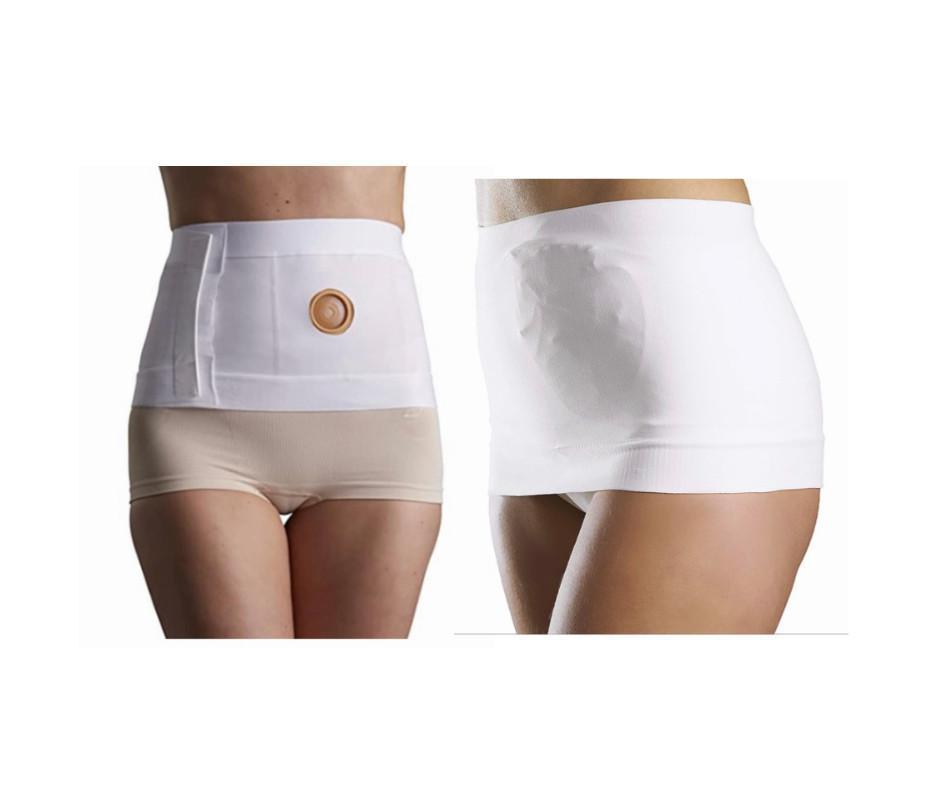
Max Support: Belt with Hole
Light Support: Tube (white) Tube (black) Tube (tan)
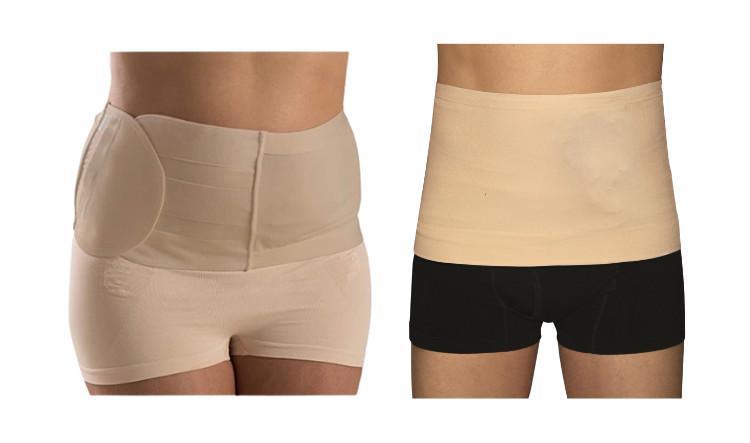
Max Support / Compression
Buy Now on Amazon
Underwear
For all ostomy pouch types
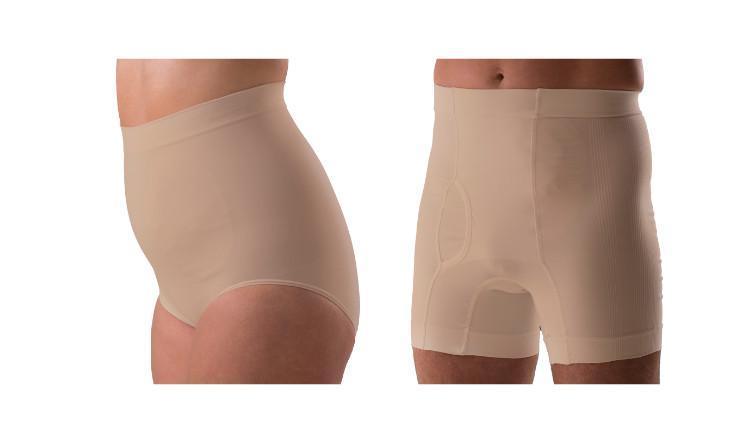
Female Brief Male Boxer
More styles available for all ostomy pouch types

Ostomy supplies and accessories, specializing in
Custom made Pouches & Belts
https://www.nu-hope.com
Nutrition & Gut Health with an Ostomy

Hydration for Ostomates
Why is Hydration Important?
-
Water makes up over 60% of our body weight and is involved in every biochemical reaction in our bodies, making it essential for human life.
-
Water is critical for digestion and absorption of food and minerals. The intestinal juices that break down your food and allow your body to absorb the nutrients into the bloodstream is primarily composed of the water we drink.
-
Our blood is mostly water, and allows us to move oxygen and glucose to our muscles.
-
Water also helps us regulate our body temperature through sweat, eliminate toxins from our body through urination, lubricate the joints between our bones as the main component of synovial fluid, and help prevent blockages from happening with an ostomy.


Hydration for Different Types of Ostomies
Drip Drop Hydration
https://dripdrop.com
DripDrop ORS wasn’t invented by a beverage company. Or a pharmaceutical company. Or any company for that matter. It was invented on a relief mission by a doctor treating life-threatening cases of dehydration. When he saw how quickly patients recovered, without the use of an IV, he thought…why shouldn’t everyone have this?
Born of relief, now available to you.
20% off
Coupon Code: Ostomy101 *limit one use per customer
Mission Impact:
Summertime and the living’s easy…and HOT, so make sure you are hydrating properly!
Let’s face it, we all wonder how much are we really supposed to be drinking and are confused about mixed messages of when it’s best to drink and whether warm or cold beverages are best.
Our bodies are made up of 65-70% water, so it makes sense that we must take hydration seriously and continue to replenish our bodies with enough water to function optimally. Too much water can result in mineral imbalances and too little can result in dehydration, fatigue, or headaches.
We have all heard that drinking water is good for us and this is absolutely true. The effects of dehydration on the body are dangerous for many systems. Dehydration can lead to decreased energy, it can impair your body’s ability to lose heat and therefore regulate temperature, and can reduce blood volume and circulation in the body.
Signs of dehydration:• Decreased urine output• Dry mouth• Increased thirst• Fatigue/lethargy• Lightheadedness• Headaches• Fast heart rate• Dry mucus membranes• Absence of tears or decreased sweat disproportionate to activity and heat
How much water should you drink?
Although there are many general recommendations for how much one should drink, it is really different from person to person, so being in tune with your body is important when considering the general rules for hydration.
With that said, on average, males should drink approximately 3 liters (13 cups) and females about 2.2 liters (9 cups) of water each day. Another general rule is to drink half of your body weight in ounces. For example, if you weigh 150 lbs you should drink 75 ounces (~2.2 liters) per day. This would be about 4.5 of the normal (16 oz) water bottles per day. Another popular rule is the “8×8 rule”; drink eight 8 oz glasses per day (approximately 2 liters). However, always remember that these are rough estimates and one must take into consideration their activity level, climate, body size, current illness, fever/diarrhea/vomiting, infections of the urinary tract/bladder, and underlying medical conditions, which could impact the amount of water/fluid intake advisable.
How do I know I am hydrating properly?
You can get a sense of your hydration status by the color of your urine. Good hydration yields a light, straw-colored urine, and a sign of dehydration would be dark urine.
Hydration helps us to detox our bodies by flushing the kidneys and bladder of waste products and dead cells before they reach toxic levels. It nourishes our cells, supports our body systems, and alleviates headaches and fatigue. Proper hydration also promotes weight loss, reduces inflammation, has aesthetic benefits, such as brightening skin complexion, and it can improve our mood.
Some helpful bio-hacks for increased water consumption:
Timing is important for water intake; best to drink 1-2 glasses upon waking in the morning. Warm, or room temperature, water is thought to be the most supportive for our digestive systems, but again this can be based on the individual. If you feel your body is calling for cold water, then this is what may work better for you.
Adding lemon to a glass of room temperature water in the morning is great for alkalizing the body, helps move digestion along, decreases bloating and inflammation, and adds a nice flavor to water.
Increase foods that are high in water content such as fresh fruits and green, leafy vegetables.
Make sure you are balancing your electrolytes as well. In addition to coconut water, there are homemade, oral rehydration solutions. You may also consider electrolyte tablets, like NUUN Hydration tablets, for the balance of electrolytes, especially during exercise, illness, or a hot/humid climate.

Exercise & Rebuilding Your Core


Learn More About
Stealthbelt
or call 1-800-237-4491
$20 off COUPONCODE: doanything
CLICK HERE
to learn more about Ostomy support belts & underwear
Learn more about hydration with an Ostomy

The me+ program from ConvaTec brings you the tools and advice to help you make life with an ostomy completely your own. The products and support you need, the tips and advice you can learn to use, and a community you can grow with.
Learn more about
Why Ostomates are more susceptible to hernias
Kids with Ostomies
0-12 months

The Teddy Bear with an Ostomy

1-5 years
Part 1
1-5 years
Part 2
School Age

Ollie the Teddy Bear with an Ostomy children's book is on
Teens
Resources
A volunteer-based nonprofit organization dedicated to providing support and education to families and others affected with congenital anorectal, colorectal, and/or urogenital disorders and any other associated diagnosis. www.Pullthrunetwork.org
The Oley Foundation: Striving to enrich the lives of those living with home intravenous nutrition and tube feeding through education, advocacy, and networking. www.Oley.org
Association for the Badder Exstropgh Community: (A-BE-C) is working to make the highest standards of treatment available to all who are affected by bladder exstrophy. Whether you are a parent of a child or an adult with this condition or a member of the medical community, A-BE-C is here for you. www.bladderexstrophy.com
Each year the Youth Rally hosts kids with conditions of the bowel and bladder at college campuses for a 5 night one of a kind camp experience that promotes independence, self-esteem, learning, friendship, and fun. Youthrally.org
How to care for your child's Ostomy at Home
Primary Children's Hospital, Ostomy at Home: Experts created this video to help parents and families care for a child's ostomy at home. This video will teach you about normal digestion, types of ostomies, ostomy pouches, how to empty them, how to change an ostomy pouch, skincare with ostomies, daily care tips, eating to stay healthy and problems that may occur with an ostomy
For Caregivers



Better Health
Everything you need to go from surviving to thriving
We strive to digitize and modernize the antiquated medical supplies industry. More than 80 million Americans use medical supplies in their homes on a regular basis. But getting access to these products can be challenging and costly.
Our aim is to bring greater transparency and choice to our customers by offering an end-to-end care solution — bundling clinical consultation, member education, insurance management, and home delivery.
How can a caregiver help?
Click here for a complete list of essential ostomy products
How Better Health works



Better Health
Everything you need to go from surviving to thriving
1-844-564-0480
Pre & Post Surgery Questions


Living with an ostomy doesn’t have to be scary — from diet tips to advice on choosing the best supplies for you, we’ve got it all.
Better Health
To ensure you’re fully prepared for your ostomy surgery, this article will help answer some of the most common ostomy questions.
What is an ostomy?
Why is surgery necessary?
What to expect?
How to prepare for surgery?
What is an Ostomy?
An ostomy refers to one of several medical surgeries that changes how body waste, such as urine and stool, exits the body, usually by means of a catheter or an ostomy pouch.
There are many reasons why a person’s bowels are no longer able to function normally such as colorectal cancer or trauma or injury to the bowels. Because the intestinal system is essential for survival, an ostomy can present a solution.
An ostomy changes the flow of the body’s intestines away from the problem source and creates a shortcut that allows the body to continue functioning properly.
If you think of the intestines as a highway, an ostomy would essentially be rerouting traffic away from an accident and sending the travelers to a new exit ramp. This keeps traffic flowing and enables the body to keep going. By performing an ostomy, the doctor surgically creates the off-ramp (called a stoma) for the traffic that will bypass part of the gastrointestinal process before things arrive at the damaged or malfunctioning part of your body, which could be anything from the rectum to the kidneys.
And to do that, the ostomy might involve procedures such as a colostomy, a urostomy, or an ileostomy, depending on the individual patient’s needs.
If you have questions about your ostomy surgery and want to speak to an ostomy peer coach, sign up here for a free ostomy consultation

As a Better Health member, you never have to be alone.
By joining our free ostomy member care program, you can:
· Get access to expert coaches for 1:1 guidance
· Join our weekly webinar series
· Receive curated, expert content, and more
call. 1-844-564-0480
Why Is This Necessary?
Ostomy surgery has to be performed when patients suffer from a serious condition with their bowels, which means there is an issue in the upper or lower intestines that is negatively affecting the body’s gastrointestinal (GI) tract and function. Ostomy surgery is only performed for very serious gastrointestinal problems, so people experiencing constipation or brief spasms of intestinal cramps probably won’t need an ostomy, although any concerns should be communicated to your primary healthcare provider.
An ostomy might be necessary for anyone suffering from colon or rectum cancer, injuries to either the big or small intestine, long-term bowel inflammations that result in irritation and sores in the GI tract (think ulcerative colitis or Crohn’s disease), any bowel obstruction that results in the normal flow of solids and fluids no longer functioning properly, or when pouches in the colon become inflamed or infected (also known as diverticulitis).
What To Expect?
Depending upon the individual patient’s needs, the surgery will involve removing part of the patient’s bladder or bowels that has become too damaged to recover without help. When that happens, the doctor will create an opening on the outside of the abdomen, called a stoma, that will allow waste to be removed from the body. So rather than exit the body through the rectum, the waste will bypass part of the GI tract and be removed through the stoma.
Once passed the stoma, waste will then be collected either by the ostomy pouch, also referred to as an ostomy bag or j-pouch, on the outside of the body. Depending on the individual patient’s situation, the ostomy can be temporary or permanent. Generally, there tend to be three types of ostomies: urostomy, which involves the bladder; ileostomy, when the problem occurs in the small intestine; and colostomy, when the large intestine has a serious problem.
How To Prepare for Ostomy Surgery?
As with any medical procedure, the patient’s first and best resource will be their doctor and surgical team. While online information can be helpful, you should ultimately direct your questions to the people who will be performing/attending your surgery. Every patient has a unique situation, and the healthcare professionals who know your unique medical situation and history will have the best answers.
While you should direct any medical questions to your doctor, there are some additional resources that might be helpful as well. Online resources such as the Better Health Ostomy Resource Center or the United Ostomy Association of America provide relevant information that is vetted by healthcare professionals for accuracy.
Prior to the surgery, your surgeon will be able to explain what the operation will involve and how the stoma will work, including where it will be physically located on your body and whether it will be temporary or permanent. The surgeon may also take this time to discuss ostomy supplies and potential risks of the surgery as well as what you can expect during the recovery period.
The surgeon and the ostomy nurse should also explain how the stoma works, the importance of getting the stoma and ostomy pouch to fit, the cost and location of ostomy supplies, whether your medical insurance will cover the surgery, lifestyle changes to diet/work/sex life, and the ability to travel and visit friends/family
Tips for Preventing Leaks


Inspiration

I made this to remind you that you are NOT your bag. You are YOU! The way you live life, and love other people is what makes you who you are. You are fearfully and wonderfully made by God! Don't forget that

February 2020, Jonathan Negretti ran seven marathons, in seven days on seven continents with an Ostomy. Ollie the Ostomy Teddy Bear circled the globe with Jonathan to raise awareness for Heather's Mission, a Phoenix charity dedicated to supporting those affected by Crohn's and Colitis.
https://youtu.be/S218xjl8h_QOdor

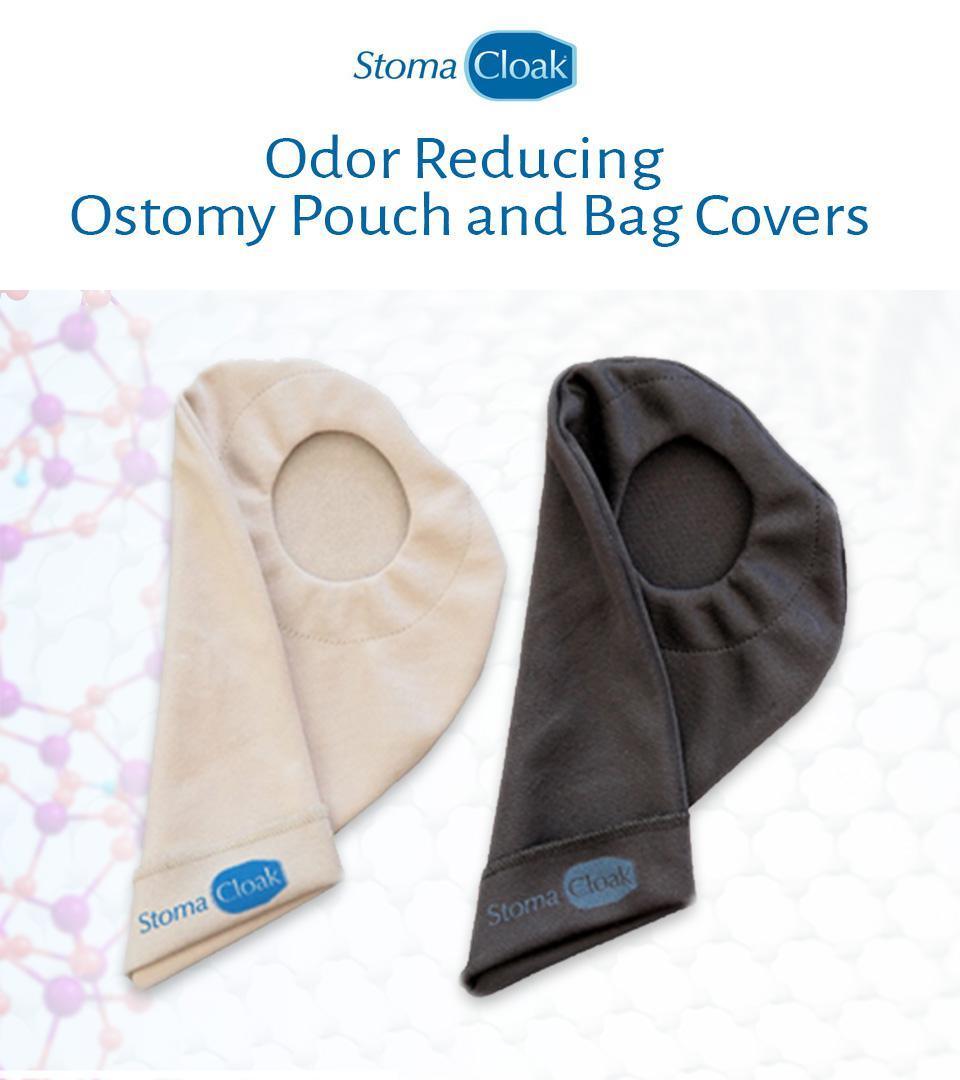
Get Free Ostomy Deodorant Samples
Hollister Lubricating Deodorant Sample
Coloplast Brava Lubricating Deodorant Sample
Safe n Simple Ostomy Deodorant
1-844-767-6334 (toll free). https://sns-medical.com
It's important to know, your ostomy pouch should only have an odor when you're emptying or changing out your system. If you're experiencing odor, other than when emptying or replacing your pouch, here are some trouble-shooting steps.
1. If you're using a drainable pouch for your ileostomy or colostomy, clean the bottom neck (last 2") of your pouch with a piece of toilet paper after emptying and before you roll it back up. Stool trapped in the neck can cause odor.
2. If you're using a 2-piece ostomy pouching system, check to see if the 2 pieces are firmly coupled together all the way around. Even the smallest gap can cause odor to escape. Make sure there is no stool on the outside of the coupling.
3. Ostomy pouches often come with your choice of filter or no filter. Filters are designed to release gas from your pouch. When filters get wet on the outside from showering or clogged from the inside with stool, they don't function properly and can allow odor to escape. Pouches with filters come with stickers in the box to cover the filters when showering or swimming. If you suspect odor might be coming from the filter, cover the filter with one of the stickers provided or a piece of tape.
4. Check to see if stool or urine has inadvertently spilled onto the outside of wafer or skin barrier. This can easily occur under your stoma where it's difficult to see.
5. There could be a leak under your wafer or skin barrier. A leak under your wafer close to your stoma, not yet visually detectable, can cause odor. Itching or burning sensations under your wafer can indicate a leak.
Some foods can cause odor. Every body is unique, so it’s helpful to keep a food diary to understand how foods affect you individually.
Types of Ostomy Deodorants
Drops
These are deodorizing drops that go inside your pouch to eliminate odors. They work by combating the enzymes that cause odor.
Sachets
Sachets are small packets you drop inside your pouch to elimate odor and gel up liquid output.
Tablets & Capsules
These are oral medications that safely elimate odor from flatulence & stool.
Get Free Ostomy Deodorant Samples
Hollister Lubricating Deodorant Sample
Coloplast Brava Lubricating Deodorant Sample
Safe n Simple Ostomy Deodorant
1-844-767-6334 (toll free). https://sns-medical.com
DevKo Deodorant Tablets
Devrom Deodorant tablets and capsules
Diamond Deodorizing sachets by Convatec
Marlen Deordorizer, drops
Na'scent Ostomy Deodorant drops
Nullo, tablets
Odafree, capsules
Osto-Fresh Liquid Deodorant drops
Ostozyme, spray
Perls Deodorizing sachets by Trio Medical
Pouching Systems

Ostomy Glossary Product Terms (read now)
Ostomy Glossary Medical Terms (read now)
Better Health
Trusted product recommendations, peer coaching, and expert content. You'll never feel lost or alone.

Product selector tool
The goal is to find a pouching system you’re comfortable with, and which allows you 2-5 days of wear time without leaking. Your Ostomy Nurse is the ideal resource for recommendations, but ostomy pouch manufactures can also be helpful in finding the right products. Most likely, you were fitted with a clear pouch while in the hospital, which allows clinicians to monitor the health and function of your newly created stoma. However, you are free to switch pouching systems anytime.
To help you explore pouching options, we are providing below an abbreviated list of terms to help you more effectively communicate with clinicians, manufacturers and suppliers.Buy Ostomy Supplies HERE
Order FREE Samples HERE
Ostomy Pouch
An ostomy pouching system is a prosthetic medical device that provides a means for the collection of waste from a surgically diverted biological system (colon, ileum, bladder) and the creation of a stoma. Pouching systems are most commonly associated with colostomies, ileostomies, and urostomies. -wikipedia.org
Insurance. In “insurance speak,” pouching equipment may be referred to as “Durable Medical Equipment” or DME. Under Medicare, they are considered: “durable medical equipment, prosthetics, orthotics, and supplies (DMEPOS). Typically, Medicare Part B covers 80 percent of allowable charges for ostomy supplies once you meet the Part B deductible. For Medicare patients, you must get ostomy supplies that are 1) prescribed by a provider who accepts Medicare assignment, and 2) obtained from a supplier who participates in Medicare (See, https://medicare.com/coverage/does-medicare-cover-ostomy-supplies/)
Types of Pouches
ORDER FREE SAMPLES HEREClear Pouches
Most people who undergo ostomy surgery are fitted with a clear pouch in the hospital. This allows clinicians to easily see and assess the new stoma. Clear pouches typically having drainable openings and come in varying sizes
Opaque Pouches
These pouches are typically covered in a cloth-like material that conceals the contents of the pouch. They come in varying sizes and drainable and closed versions
Closed Pouches
These are single-use pouches that do not have drainable openings
Drainable Pouches
Pouches that have drainable openings to drain stool or urine
Urostomy Pouches
These pouches have a spigot at the bottom to easily drain urine
Night Drainage Systems
Used to drain high liquid output at night
Filters (Gas Release)
Pouches designed for fecal output offer the option of a filter. Filters are designed to release any gas that may build up in the pouch. You can request samples with or without a filter. Keep in mind, if the filter gets wet or clogged, the function is compromised. Cover the filter with the stickers provided in the box or a piece of tape when you bathe or swim.
Pouching Systems
A Pouching System includes the Pouch that collects waste and the Skin Barrier or Wafer that sticks to the body around the stoma.
1-piece Pouching System
The wafer and the pouch are attached as one piece and cannot be separated
2-Piece Pouching System
In a 2-piece system, the wafer and pouch are detachable as two separate pieces and snap together via a mechanical or adhesive coupling.
Scroll down to view the VIDEO on Pouching Options
Wafer/Skin Barrier
These terms refer to the piece of the pouching system that adheres or sticks to the skin around the stoma and then attaches to the pouch to you. In the case of a 1-piece pouching system, the wafer is permanently attached to the pouch and cannot be separated. In the case of a 2-piece pouching system, the wafer can be removed from the pouch. Wafers typically come in flat or convex options.
Other Related Terms
Peristomal Skin
The skin around your stoma
Barrier Ring
These moldable sticky rings are designed to prevent leaks and shield peristomal skin. Barrier rings fit under the wafer/skin barrier to fill in any gaps. They can be stretched, reduced or stacked to help improve the fit of the pouching system. They are considered an accessory. Many ostomy pouch manufacturers also manufacture barrier rings.
Accessories
Accessories are products that are in addition to the pouching system. For example; barrier rings, tapes, pastes, deodorizers, pouch covers, etc., are considered accessories. A friend of mine likes to call them "condiments" because although they’re not a necessity, they enhance the experience!
Manufacturer or Supplier?
The difference between a manufacturer and a supplier is commonly confusing, but we need to know which one is our primary source for samples and for ongoing ostomy supplies.
Manufacturers make and produce ostomy products, and most will send 1 or 2 free samples, upon request. Beyond samples, however, manufacturers cannot send ongoing ostomy supplies.
Manufacturer websites are also an excellent place to find free recovery programs & educational information. Several manufacturers are listed on the Ostomy 101 App.
Suppliers distribute and ship a variety of ostomy and medical supplies. A supplier is your source for ongoing ostomy supplies. There are suppliers who work with Insurance and out-of-pocket suppliers. If you have insurance, call and find out which suppliers partner with your insurance. If you’re uninsured, connect with suppliers who offer an “out-of-pocket” option (they’re often the most cost-effective option).
Suppliers websites often have free educational information, blogs, and videos.
Caution! Ostomy supplies are typically NOT available at drug stores, pharmacies, or medical supply stores in the USA. Therefore, it’s essential to connect with a supplier as soon as you can following your surgery, and always plan ahead in regard to your ostomy supply needs. Watch the Ostomy 101 video on Managing Your Supplies.
Information provided by Ostomy 101 is NOT medical advice. Consult a Healthcare provider for all medical needs.
More on Pouching Options:
CLICK HERE to order FREE SAMPLES
CLICK HERE to order Ostomy Supplies
CLICK HERE for a list of essential ostomy products

The Ostomy Files: One-Piece vs. Two-Piece
Author: Adam Page
OSTOMY | MAY 20, 2019Hello everyone and welcome to another hotly-anticipated edition of the Ostomy Files! The staff here at Medical Monks understands that becoming an ostomate can seem overwhelming. A new patient will be presented with many alternatives when it comes to products. Some of these choices will be pre-determined by their medical condition, but many more, in the end, come down to personal preference. Figuring out what works can be a long process of trial-and-error. Today, we’re going to help ease the transition by exploring one of the most basic choices faced by new ostomates: should I use a one or two-piece pouching system?
Components of a Pouching System
First, we’ll cover a little background for the uninitiated. When it comes to pouching systems there are two main components: the barrier and the pouch. The barrier is generally a flat or convex disc with adhesive on one side that sticks to a person’s peristomal area (the skin around the stoma). These come in a variety of shapes and sizes to accommodate different stoma and/or body shapes. The pouch, no less important, is the receptacle for the ostomy output. Pouches are also available in various sizes and can be drainable or closed for convenient disposal.
What’s the Difference?
A one-piece pouching system is exactly what is sounds like. It’s all… one piece. These systems take the two components and combine them into one inseparable product The two-piece versions take the barrier and pouch and separate them into, you guessed it, two pieces! But why would someone choose one over the other? Is one inherently better? Let’s examine these questions in more detail.
One-Piece Pros and Cons
Patients choose a one-piece for a variety of situations. A common reason is simple familiarity. Many hospitals choose to stay stocked with mostly one-piece products for convenience and cost-saving purposes, and often patients choose to stick to what they’ve been given post-surgery.
For others, having the two parts attached can lend a sense of security – you can generally be sure the pouch will not detach from the barrier. Also, without the extra attachments they are generally lower-profile, meaning flatter on the tummy, which comes in handy when trying to hide your system under more form-fitting clothing.
The issue some folks run into is that one-piece products tend to need changing fairly often. Usually because the pouch, being attached, cannot be easily cleaned out. This can cause more irritation to the skin than might be experienced otherwise, and will also likely cause the patient to go through accessories, such as skin prep and remover wipes, more quickly.
Two-Piece Convenience
Two-piece is the convenient choice. It’s the modern choice. With these systems the barriers and pouches connect together via some kind of securement – typically a plastic flange that clicks or fits together like a Tupperware lid. This is convenient for many reasons. As noted above, it gives a patient the ability to remove and clean out a drainable pouch for re-use. It also offers more flexibility when draining in, say, a public restroom. It’s easy to imagine the difficulty of positioning a pouch affixed to your stomach into the correct place while inside a cramped stall.
A separate barrier also gives a colostomy patient the option of using closed-end, disposable pouches. For many folks, mainly those with consistently solid output, these pouches are the ultimate in convenience. They allow the user to simply remove the pouch when full, dispose, and replace with a new pouch onto the same barrier – no drainage required. While closed pouches are produced in one-piece form for special cases, they require a peel-and-replace process several times a day. Any ostomate will tell you that’s not very kind to your skin. A two-piece arrangement is what makes closed pouches possible.
That’s not to say two-piece systems don’t have their drawbacks. One is the cost. Barriers and pouches are generally sold separately. This doesn’t typically double the cost when compared to a one-piece, but it will certainly lighten the pocketbook a bit more for those paying out-of-pocket.
Which Option is Right for Me?
Patients should consider the pros and cons above. Do you value the security, cost savings, and style offered when the pouch and barrier are affixed? If so, you may want to use a one-piece system. If you prefer flexibility and ease of use, perhaps a two-piece system would be more to your liking.
CLICK HERE to Buy Ostomy Supplies
CLICK HERE to order FREE SAMPLES